
How to remove stains: a guide by type
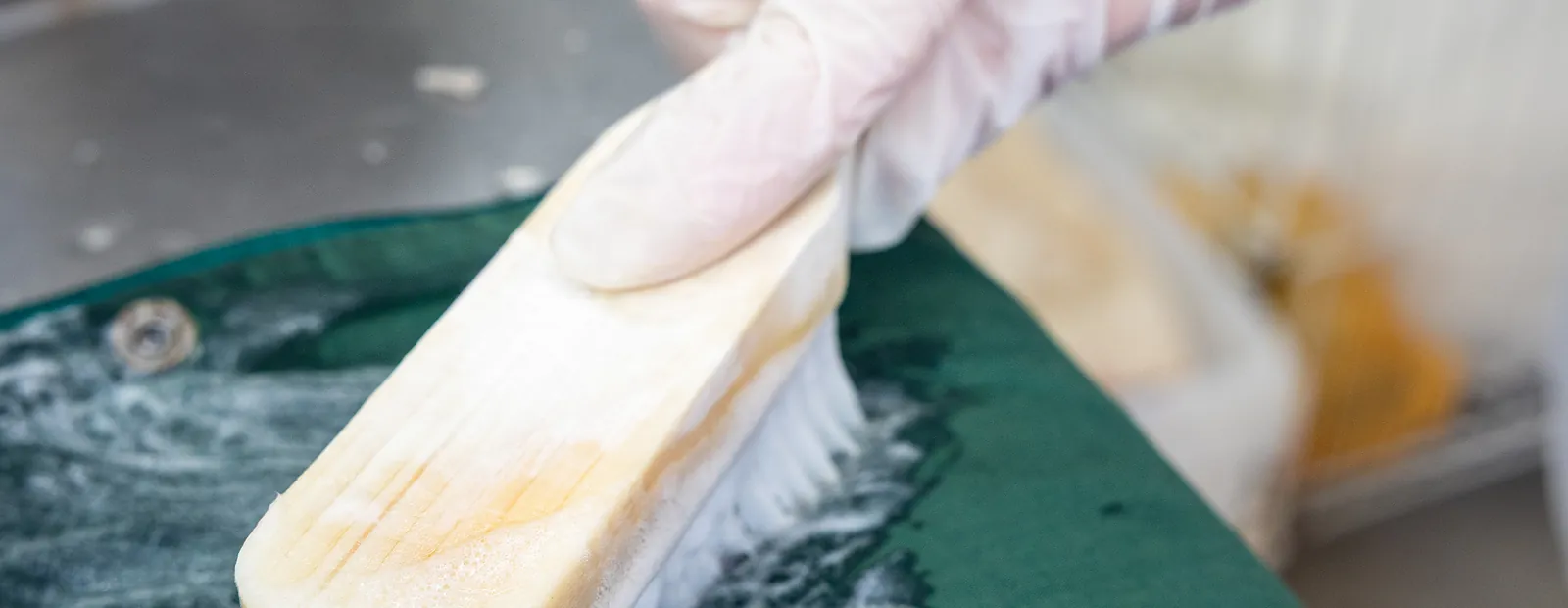
The rule that matters most: protein stains — blood, milk, egg, perspiration — must be treated with cold water only. Warm water coagulates the protein and sets the stain permanently. Grease stains need a degreaser, not water. And every stain should be blotted, never rubbed — rubbing pushes it deeper into the fibre and damages the fabric.
Quick reference by stain type
| Stain | First action | Then | Avoid |
|---|---|---|---|
| Blood | cold water immediately | blot with cold salted water | warm water — sets it permanently |
| Red wine | blot with absorbent cloth | sparkling water, then wash | white wine or salt — ineffective myths |
| Coffee, tea | cold water from the back | a little liquid detergent | delay — it oxidises brown |
| Grease, oil | absorb with starch or talc | dish soap on the dry stain | water alone — will not dissolve grease |
| Perspiration | cold water and blotting | enzymatic pre-treatment | bleach on whites — yellows them |
| Deodorant | diluted white vinegar | normal wash | dry rubbing |
| Ink, biro | surgical spirit on a cloth | repeated blotting | water — spreads the stain |
| Grass | alcohol or vinegar | enzymatic detergent | hot water |
| Lipstick, make-up | make-up remover on white cloth | liquid detergent | rubbing — spreads the pigment |
| Chocolate | chill, then lift off solids | cold water and detergent | warm water at the start |
The four rules that matter
1. Blot, never rub
Rubbing does three bad things at once: it pushes the stain deeper, spreads it wider and damages the fabric surface. On velvet or wool, a rubbed stain stays visible as a dull patch even after the pigment is gone.
Correct method: place an absorbent white cloth underneath and blot from above, working from the edge of the stain inwards.
2. Cold for proteins, warm only afterwards
Blood, milk, egg and perspiration contain proteins. Under heat the protein coagulates and bonds chemically to the fibre. After that, no amount of washing will remove it.
3. Grease does not come out with water
Water and oil do not mix, which is why an oil stain treated with water only spreads. First absorb (starch, talc, even flour, left for 15 minutes), then degrease with dish soap applied directly to the dry stain.
4. Time matters more than the product
A stain treated within minutes almost always comes out with plain water. The same stain after 24 hours may need professional treatment. Once it has been through a tumble dryer it usually becomes permanent — the heat sets whatever residue remains.
What not to attempt at home
- Stains on leather or suede — water leaves permanent marks and solvents stiffen the material.
- Stains on natural silk — even water leaves a visible ring.
- Old stains on deeply coloured items — the risk of local bleaching outweighs the chance of success.
- Paint, adhesive or rust — these need specific solvents; general-purpose products usually make it worse.
- Any stain on an item marked with the professional-cleaning circle.
Myths worth dropping
"White wine removes red wine." No. It dilutes the pigment and looks like it is fading, but adds sugar that later oxidises brown.
"Salt absorbs wine." It absorbs surface liquid, not pigment already in the fibre. Marginally useful in the first seconds, no more.
"Hot water cleans better." For grease, yes. For proteins, it is the worst possible choice.
"Bleach fixes anything on whites." On perspiration stains, chlorine reacts with proteins and causes permanent yellowing.
When to send it to us
If the stain is on an expensive item, is more than a few days old, or you have already tried something that did not work — stop. Each further attempt reduces the chance of recovery.
We collect from your door free of charge, and if you tell us what kind of stain it is and what you have already tried, treatment is far more effective. That information genuinely matters — an item already treated with bleach is handled differently.
Frequently asked questions
How do I remove a blood stain?
With cold water only, by blotting. Warm water coagulates the proteins in blood and sets the stain permanently in the fibre.
Does white wine remove red wine stains?
No. It dilutes the pigment and appears to fade it, but adds sugar that later oxidises and leaves a brown mark.
How do I remove an oil or grease stain?
Not with water — water and oil do not mix. First absorb with starch or talc for 15 minutes, then apply dish soap directly to the dry stain.
Why should a stain never be rubbed?
Rubbing pushes the stain deeper into the fibre, spreads it wider and damages the fabric surface. The correct method is blotting, working from the edge inwards.
Can a stain still be removed after tumble drying?
Rarely. Dryer heat sets any remaining residue in the fibre, making the stain permanent. This is why stained items should never be tumble dried before treatment.
What if I already tried something and it did not work?
Stop, because each further attempt reduces the chance of recovery. Send the item to a professional cleaner and say exactly what the stain is and what products you have already used.
We do it for you
Free pickup and delivery in Bucharest and Ilfov. Clothes back in 24–48h, payment on delivery.